
The Enduring Allure of Tabletop Games
In an era dominated by digital entertainment, the enduring appeal of tabletop games may seem like an anomaly. Despite the plethora of video games and online platforms vying for attention, board games, card games, and role-playing games have secured a lasting place in the hearts of gamers worldwide. This phenomenon prompts an exploration into the elements that make tabletop games so compelling and their symbiotic relationship with digital enhancements such as the BetBing melhor cassino online Brasil.
The Social Connection
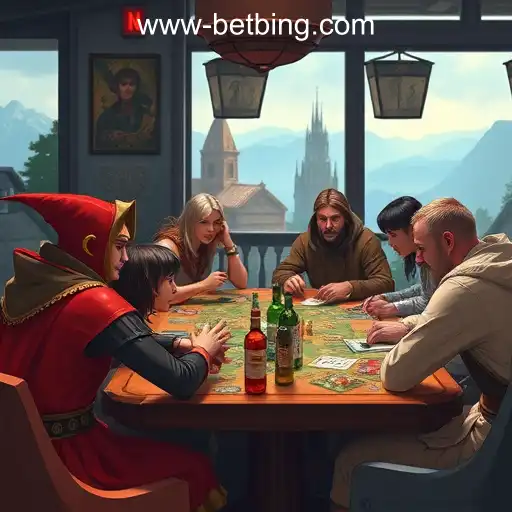
At the core of tabletop gaming is its inherent social nature. Unlike many digital games where interaction is often mediated through screens, tabletop games require players to gather in person, fostering a sense of community and camaraderie. The physical presence of players around a table enhances the interactive experience, allowing for nuanced communication and engagement that digital platforms struggle to replicate. This aspect of face-to-face interaction is a significant draw for enthusiasts who find digital interactions lacking in warmth and immediacy.
Narrative Depth and Complexity
One of the standout features of many tabletop games is their rich narrative depth. Role-playing games like Dungeons & Dragons offer unparalleled storytelling opportunities where players can explore intricate worlds and develop complex characters. These narratives are not merely scripted but evolve through collaboration between players and the game master, providing an experience that is unique with each playthrough. This depth of storytelling and personal agency is seldom matched by digital counterparts, making tabletop games a preferred choice for storytelling aficionados.
Strategic Thinking
Many tabletop games are built around strategic decision-making, requiring players to think critically and plan ahead. Games like Settlers of Catan and Risk are renowned for their reliance on strategy and foresight. This intellectual challenge is a significant factor in the growing popularity of tabletop games, attracting individuals who relish the mental stimulation and the satisfaction of executing a well-thought-out plan. The tangible components of these games—physical cards, dice, and boards—also provide a tactile satisfaction that enhances the gaming experience.
The Role of Nostalgia
Nostalgia plays a pivotal role in the continued success of tabletop games. Many gamers are drawn to these games as they remind them of simpler times, bringing back fond memories of family game nights or long evenings with friends. This nostalgic appeal is often complemented by the exploration of new tabletop games that evoke the same sense of joy and camaraderie experienced in the past.
Digital Integration and the Rise of Online Play
While tabletop games are cherished for their analog nature, digital integration has opened new avenues for gameplay. Online platforms and digital tools have made it possible to play traditional games with friends and strangers across the globe. Websites and apps have been developed to facilitate role-playing games, offering tools for character management, rule enforcement, and virtual roll of dice. This seamless integration has enhanced the accessibility of tabletop games, allowing enthusiasts to remain connected even when physically apart.
Platforms like the BetBing melhor cassino online Brasil further illustrate how digital technology can complement traditional gaming experiences. Such platforms provide an online space where classic card and board games are available alongside a plethora of casino games. This fusion of digital and analog elements creates a hybrid gaming experience that caters to diverse interests and preferences.
The Resurgence of Tabletop Culture
Recent years have seen a resurgence in tabletop gaming culture, driven by a combination of innovative game design and a growing interest in niche gaming communities. Crowdfunding platforms have made it easier for independent game designers to bring new concepts to market, resulting in an explosion of innovative and creative game titles. Conventions dedicated to tabletop gaming attract thousands of enthusiasts, further solidifying the community aspect of this hobby.
Additionally, media portrayal of tabletop games in shows and web series has contributed to their growing popularity. These portrayals often depict the fun, strategy, and adventure inherent in such games, sparking interest among viewers who may not have previously considered engaging in tabletop gaming.
Challenges and Future Prospects
Despite their popularity, tabletop games face challenges amidst the growing dominance of digital entertainment. The need for physical space, the time investment required for certain games, and the necessity of coordinating schedules for in-person play can be limiting factors. However, the integration of digital elements into tabletop gaming—as evidenced by platforms like BetBing melhor cassino online Brasil—suggests a path forward that blends old and new, allowing for continued growth and adaptation of the tabletop gaming landscape.
As gaming culture continues to evolve, tabletop games maintain their unique position, balancing tradition with innovation. Their compelling narratives, strategic complexity, and social connectivity ensure that they remain relevant in an increasingly digital world, offering experiences that many gamers crave. The versatility of these games allows them to adapt and thrive, ensuring their continued success in the years to come.