
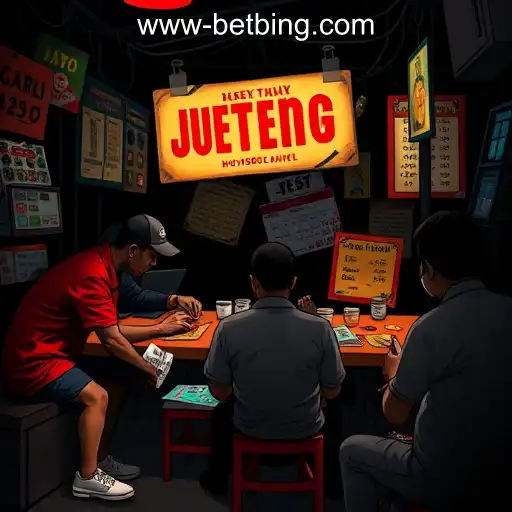

Understanding Jueteng: A Cultural Phenomenon
Jueteng, a numbers game that has long been part of the cultural fabric in the Philippines, poses a fascinating intersection between tradition, economy, and legality. This underground lottery game, played ubiquitously across the nation, thrives despite numerous crackdowns and continues to captivate the imaginations of millions. As a game rooted in the grassroots of society, Jueteng showcases both the resilience of popular culture and the challenges of regulation.
The Mechanics of Jueteng
At its core, Jueteng is a simple form of lottery where players select a pair of numbers from 1 to 37. These numbers are often chosen based on various rituals and superstitions, adding another layer of intrigue to the game. The chosen numbers are then drawn random, and payouts are determined by the bets placed. The allure of winning through minimal investment maintains its grip on players, making Jueteng an evergreen form of entertainment.
Socio-Economic Impact of Jueteng
Jueteng's pervasiveness can be attributed to its accessibility and the potential for swift financial gains. It has become a source of livelihood for many Filipinos who serve as “cobradores” or collectors, and “rebisadores” or revisers. These are key roles within the Jueteng network that facilitate its operations, often creating a micro-economy within communities.
However, Jueteng does more than just support informal economies. It contributes to a larger ecosystem that includes the underbelly of politics and business, often funding various segments in ways that governmental lotteries do not. The clandestine nature of the game creates an interplay between necessity and vice, deeply embedding itself into the cultural narrative of resilience and defiance.
Challenges in Regulation and Legalization
Efforts to regulate Jueteng have historically been met with resistance and mixed results. The game’s deep integration into the fabric of local economies makes eradication both impractical and culturally sensitive. Several administrations have proposed legalization as a way to control and tax the industry, directing revenue towards public services. Yet, these efforts often collapse under political and social pressures.
The drive to curb Jueteng is a double-edged sword. On one hand, rigorous crackdowns reduce corruption and illegalities associated with the game. On the other, they often push the game further underground, making regulation even more challenging. Policymakers continue to grapple with finding the balance between acceptance and prohibition.
Jueteng's Global Counterpart: Online Casinos
In parallel, the rise of online casinos such as BetBing Melhor Cassino Online Brasil offers an interesting counterpoint. These platforms operate legally in many jurisdictions, providing a modern, regulated alternative to traditional forms of gambling like Jueteng. The accessibility and appeal of online platforms attract players globally, offering vast game selections and diverse betting options through technology.
BetBing Melhor Cassino Online Brasil is one such platform making waves in the Brazilian market and beyond. By tapping into the digital economy, it provides a regulated environment for gambling, offering players security and governments taxable revenue, proving a viable model for what legalized gambling could look like.
Jueteng and Modern Gambling Trends
The worlds of Jueteng and online casinos like BetBing often collide in the discourse on modern gambling trends. While Jueteng remains mired in informality, platforms like BetBing represent the evolutionary path of gambling toward regulated, omnipresent digital experiences. These platforms harness technology to create a responsible gambling culture while mitigating the risks associated with traditional gambling.
Such online platforms present a burgeoning opportunity for governments and stakeholders to transition traditional gamblers into legal channels. By integrating cultural considerations into policy-making, governments can align legislation with the changing landscape of gambling, leveraging online platforms to boost economic gains while safeguarding cultural heritage.
The Road Ahead
Jueteng, with all its complexities, highlights the intricate balance societies must manage between tradition, legality, and modernization. As online casinos like BetBing Melhor Cassino Online Brasil continue to proliferate, they offer lessons in how regulation and accessibility can coexist. In the end, the journey to modernize gambling will require sensitivity, innovation, and a comprehensive understanding of the economic and cultural dynamics at play.